

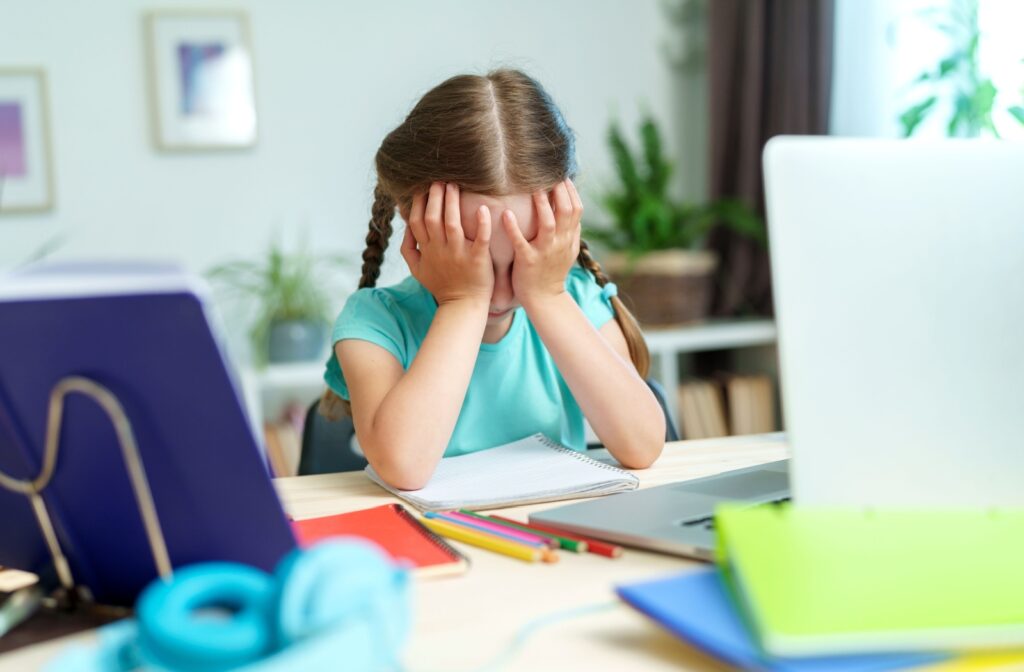
You watch your child grow and learn, and our team with Total Vision Hercules knows it can be hard to tell if they see the world as clearly as they should. Since children often don’t know how to explain vision trouble, a small issue can easily fly under the radar, sometimes appearing as something else entirely, like a short attention span or clumsiness.
When vision problems go undetected, they may affect your child’s learning, social development, and physical coordination. A child struggling to see clearly may have a difficult time in school, feel left out during playtime, and experience unnecessary frustration, which is why regular children’s eye exams are so important.
Why Vision Issues Are Easy to Miss in Kids
They Assume Their Vision Is Normal
Imagine if your vision had always been blurry. The reality for many children is that they have no idea what sharp, clear sight looks like. They lack anything to compare it to and assume that everyone sees the world the way they do.
This is why your observations are so important: You know your child better than anyone. You might be able to spot the subtle signs they can’t communicate, helping to identify a potential problem before it impacts their development.
Symptoms Can Look Like Other Issues
The signs of a vision problem can be subtle and often get mistaken for something else. You might notice your child has a hard time focusing on homework, which can often be mistaken for an issue with attention. Similarly, a reluctance to read could be a sign that the words on the page are just too hard to see. They may avoid sports because they can’t track a ball or judge distances.
Everyday Clues and Physical Symptoms to Watch For
Noticeable Physical Habits
Your child’s body language can offer important clues about their eye health. Pay attention if you see them developing new habits to compensate for poor vision. These might include:
- Frequent squinting to see the TV or objects in the distance, which can be a sign of nearsightedness
- Tilting their head to the side or covering 1 eye to focus
- Excessive eye rubbing, which can signal eye fatigue
Behavioral Signs
Changes in your child’s behavior can also point to a vision problem. These actions often come from the frustration of not being able to see clearly. You may notice your child:
- Sitting very close to screens or holding books right up to their face
- Complaining about headaches or tired eyes, especially after school
- Seeming clumsier than usual or bumping into things often
The Link Between Vision and Childhood Development
Challenges in the Classroom
Clear vision is an important tool for learning in most classrooms. When a child can’t see well, school can become a challenging environment. They may have difficulty seeing the board from their desk, lose their place while reading a book, or even struggle to see the facial expressions of their teacher and friends.
This struggle can lead to falling behind on schoolwork and feeling disconnected from class activities. A simple, correctable vision problem could be contributing to the appearance of a learning difficulty or social withdrawal.
Effects on Confidence and Play
The impact of poor vision goes beyond academics. When a child struggles in school, their confidence can suffer. They may also hesitate to join in on the playground, especially if they have a condition like amblyopia or strabismus that affects their binocular vision (combining 2 images into 1) and depth perception.
The Role of a Comprehensive Eye Exam
What to Expect During a Child’s Eye Exam
A comprehensive eye exam is typically a straightforward and comfortable process that can be tailored for children. The eye doctor can use shapes, pictures, and games to check for common vision problems such as nearsightedness and farsightedness. An optometrist can also assess how your child’s eyes work together and evaluate their overall eye health.
Why School Screenings Are Just a Start
While helpful, school vision screenings are not a substitute for a full eye exam. These screenings can miss many common vision problems that affect learning and development. A comprehensive evaluation from an eye doctor in Hercules can help provide a complete picture of your child’s vision and eye health.
Help Your Child Adapt to New Glasses
Create a Positive Experience
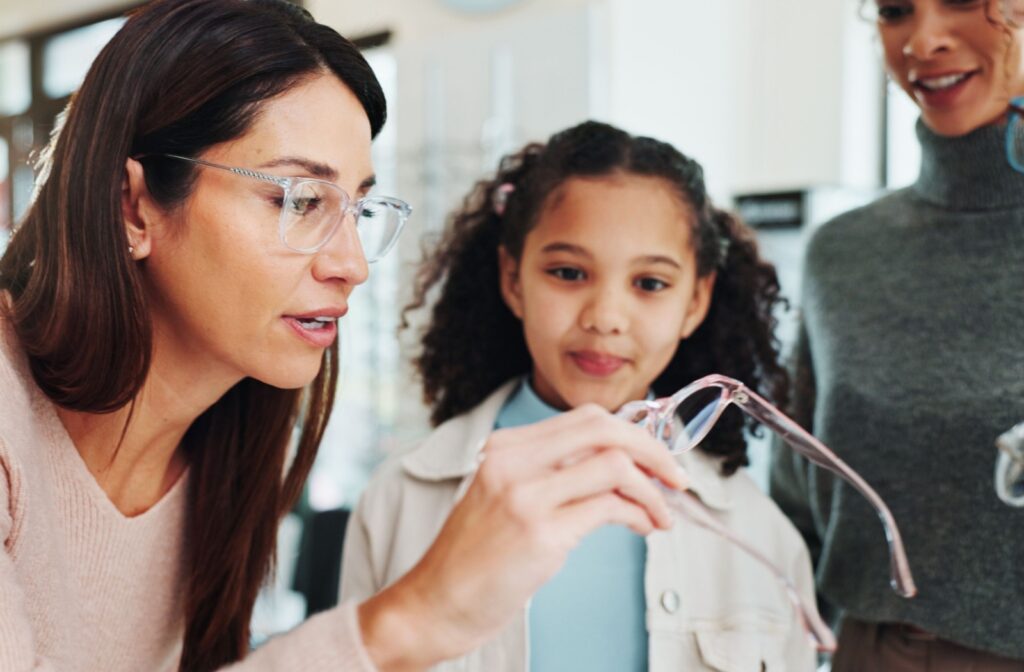
If your child needs glasses, you can help make it an exciting new chapter. Let them take the lead in picking out frames that show off their personality. When you talk about their new glasses, focus on how clear and bright the world will look, keeping the conversation encouraging and patient.
You can also point out beloved family members, friends, or even characters in their favorite books and movies who wear glasses. This helps normalize the experience and makes it feel like they are joining a special club.
A Proper Fit and Function
A comfortable fit is important to helping your child wear their glasses consistently. An experienced optician can adjust the frames to fit their face so they don’t slip down their nose or pinch their ears. It’s also a good idea to discuss durable options for sports and other activities.
Children’s Eye Exams in Hercules
We want your child to grow up doing all the things they love, which is why we provide eye exams for all ages. To support your child’s development, schedule a comprehensive eye exam with our team from Total Vision Hercules.