

Key Takeaways
- Nearsightedness causes light to focus in front of the retina, making distant objects blurry.
- Glasses, contact lenses, and orthokeratology are all common options for correcting nearsightedness.
- Multifocal lenses and ortho-k can help slow myopia progression in kids.
- A comprehensive eye exam helps confirm your prescription and monitor eye health.
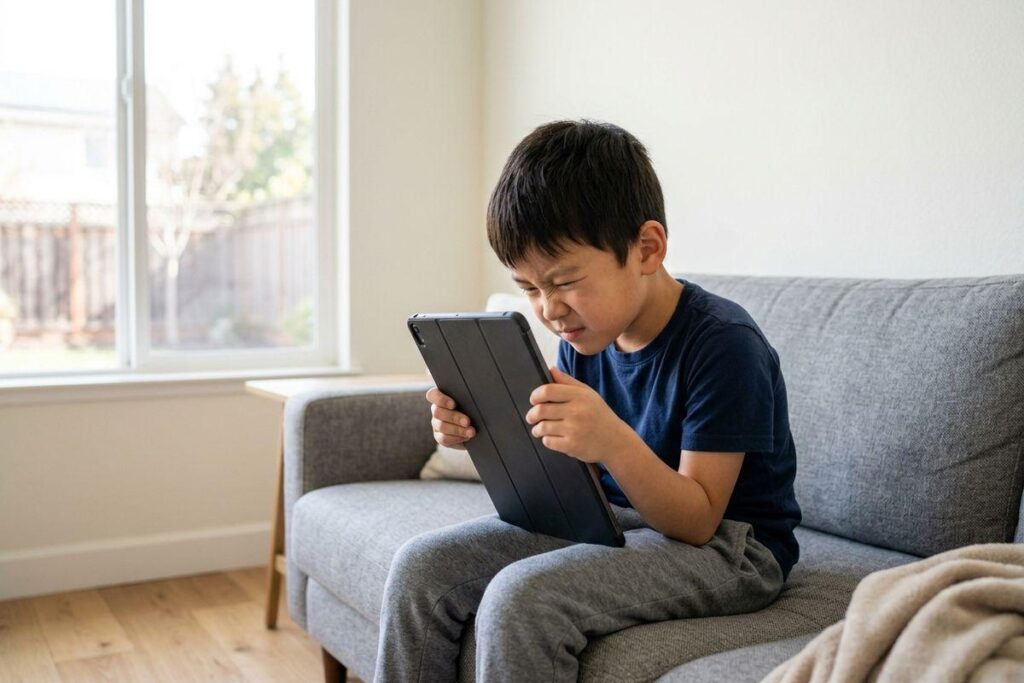
If you find yourself squinting at road signs or noticing your child inching closer to the TV, nearsightedness is likely part of the picture. It’s one of the most common vision conditions, and it affects people of all ages, from young kids to adults who’ve worn glasses for decades.
Total Vision Hercules provides comprehensive eye care for the whole family, from first prescriptions to ongoing myopia management. Whether you’re navigating a new prescription or keeping tabs on a child’s changing vision, children’s eye exams and adult visits are both part of the picture.
There are several corrective lens options for nearsightedness, and the right one depends on your age, lifestyle, and whether progression is a concern.
What Nearsightedness Actually Does to Your Vision
With nearsightedness, light entering the eye focuses in front of the retina instead of directly on it. That small shift is what makes distant objects look blurry while things up close stay sharp.
For children, the prescription doesn’t always stay the same. As their eyes grow, their myopia can increase, sometimes noticeably from one year to the next. That’s why tracking changes over time matters, especially during the school years.
Signs You May Need a Corrective Lens
Common Symptoms to Watch For
Some signs of nearsightedness are easy to spot. Others are subtle enough that you might chalk them up to tiredness or screen fatigue. Here are the most common ones to watch for in adults:
- Squinting to read signs, screens, or faces at a distance.
- Headaches or eye strain after focusing on something far away.
- Difficulty seeing clearly while driving at night.
When Kids Show These Signs
Children don’t always know their vision is off because they have no comparison point. Instead of complaining about blurry vision, they show it in other ways. Watch for these signs in your child:
- Sitting too close to the TV or holding devices very near their face.
- Struggling to read the board at school or asking to move seats.
- Squinting frequently or mentioning headaches, especially after school.
If any of these sound familiar, what to expect at a kids eye exam can help you feel prepared before the visit.
Your Lens Options for Nearsightedness
Glasses
Single-vision glasses are the most straightforward option for nearsightedness. The lenses redirect incoming light so it hits the retina properly, giving you clearer distance vision. They’re easy to update as your prescription changes, and they work well for children, teens, and adults.
Contact Lenses
Soft contact lenses correct distance vision without frames, which many people prefer for sports or everyday comfort. For children with myopia, multifocal contact lenses do something single-vision lenses don’t. They adjust how light focuses across the entire visual field, which can help slow how fast the prescription changes. The different types of contact lenses available today give eye doctors a range of options to match each patient’s needs.
Orthokeratology (Ortho-K)
Ortho-k lenses are rigid lenses worn overnight. They gently reshape the cornea while you sleep, so you can see clearly during the day without any daytime correction. This option is especially popular for children and teens who are active, and it also plays a role in myopia management.
What to Expect at Your Eye Exam in Hercules
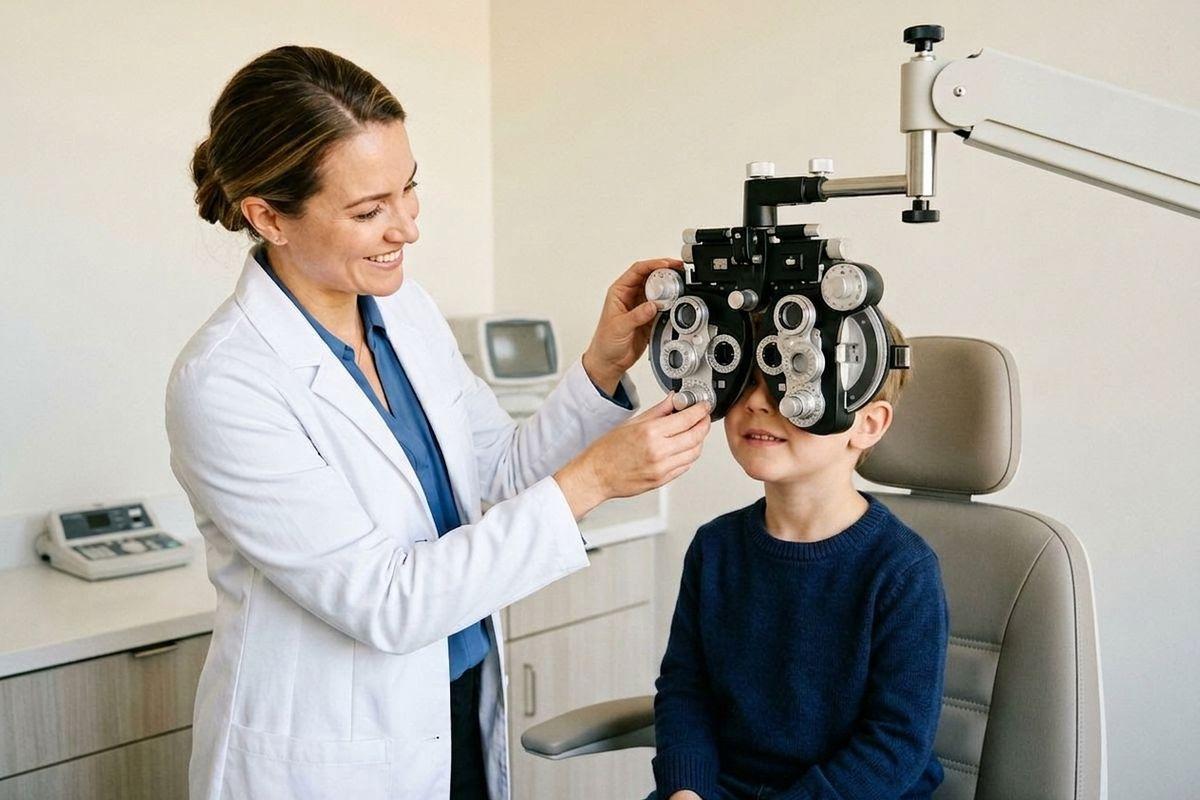
A comprehensive exam does more than confirm your prescription. The eye doctor checks your overall eye health and looks at factors like how your eyes focus and how your vision affects your daily life.
One thing worth knowing is that a glasses prescription and a contact lens prescription aren’t the same thing. Contact lenses sit directly on the eye, so the fit and measurements differ. If you want both options, let the team know so they can include contact lens exams and fittings as part of your visit.
Total Vision Hercules offers comprehensive exams for the whole family, including myopia management for children. If you’re noticing changes in your vision or your child’s, scheduling an eye exam is a straightforward next step toward getting a clearer picture of what’s going on.